
The Bridge -
Medical Respite Program
The Bridge is an integrated clinical Medical Respite program providing short-term residential care for individuals experiencing homelessness who need a safe place to recover after illness or hospitalization. The program is certified by the National Institute for Medical Respite Care, reflecting our commitment to national standards of quality and best practices in medical respite services.
Medical respite care allows individuals to heal with dignity while connecting to stable housing, ongoing healthcare, and long-term supportive services that promote sustained recovery and stability.
What is Medical Respite?
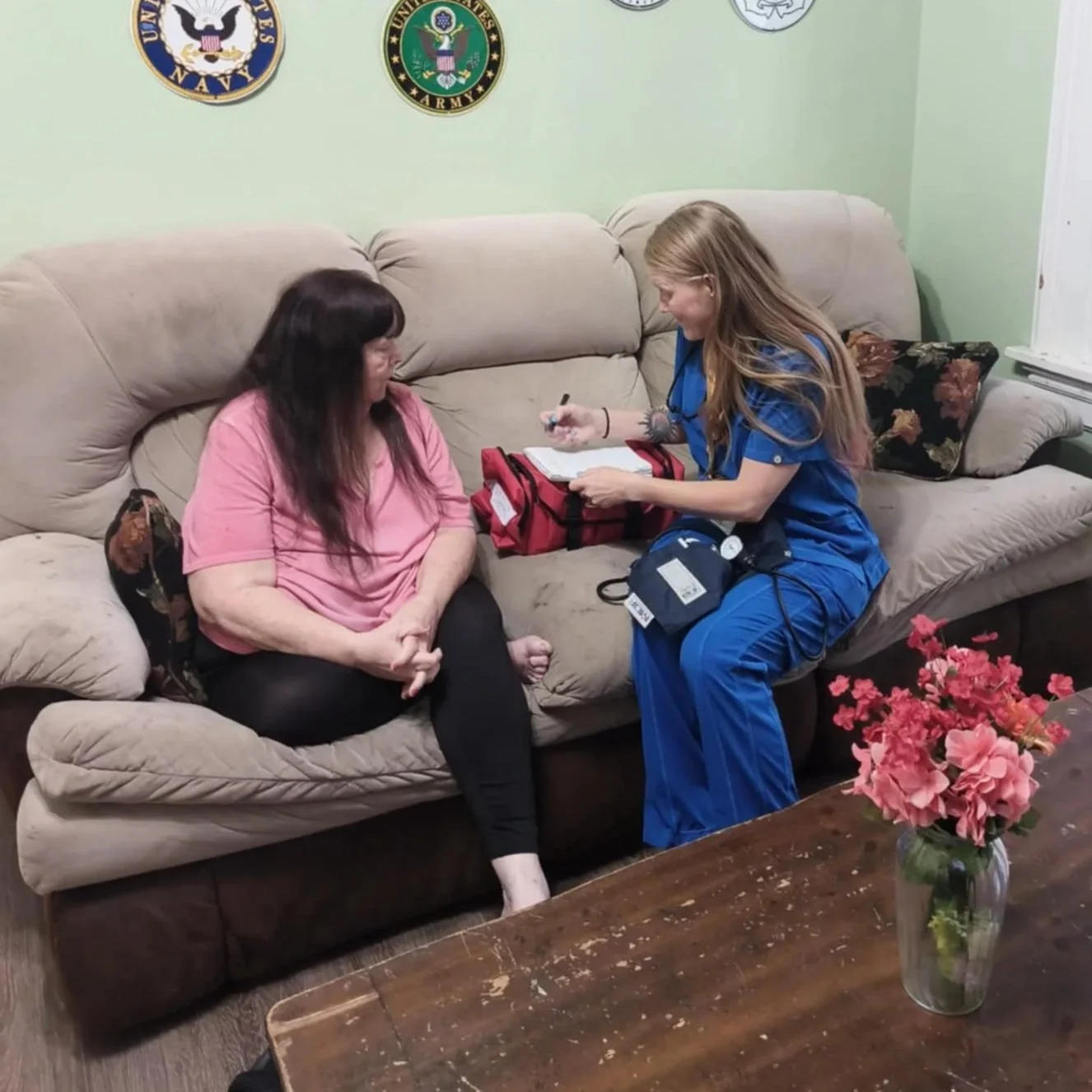
Medical respite care is acute and post-acute medical care for people experiencing homelessness who are not ill enough to remain in a hospital, but are too ill to recover on the streets or in regular shelter settings.
It is short-term, residential, and person-centered care that provides individuals the opportunity to rest in a safe environment while accessing medical care and supportive services.
Why medical respite matters
Medical respite programs improve health outcomes while reducing strain on emergency rooms and hospitals.
Without a safe place to recover, individuals experiencing homelessness often return to the hospital repeatedly, leading to higher healthcare costs and poorer health outcomes.
By providing a stable environment for healing, medical respite care:
Reduces hospital readmissions
Improves recovery outcomes
Connects individuals to long-term healthcare
Increases opportunities for housing stability
Strengthens community health systems
The Bridge helps individuals recover while creating healthier communities for everyone.
Program Overview
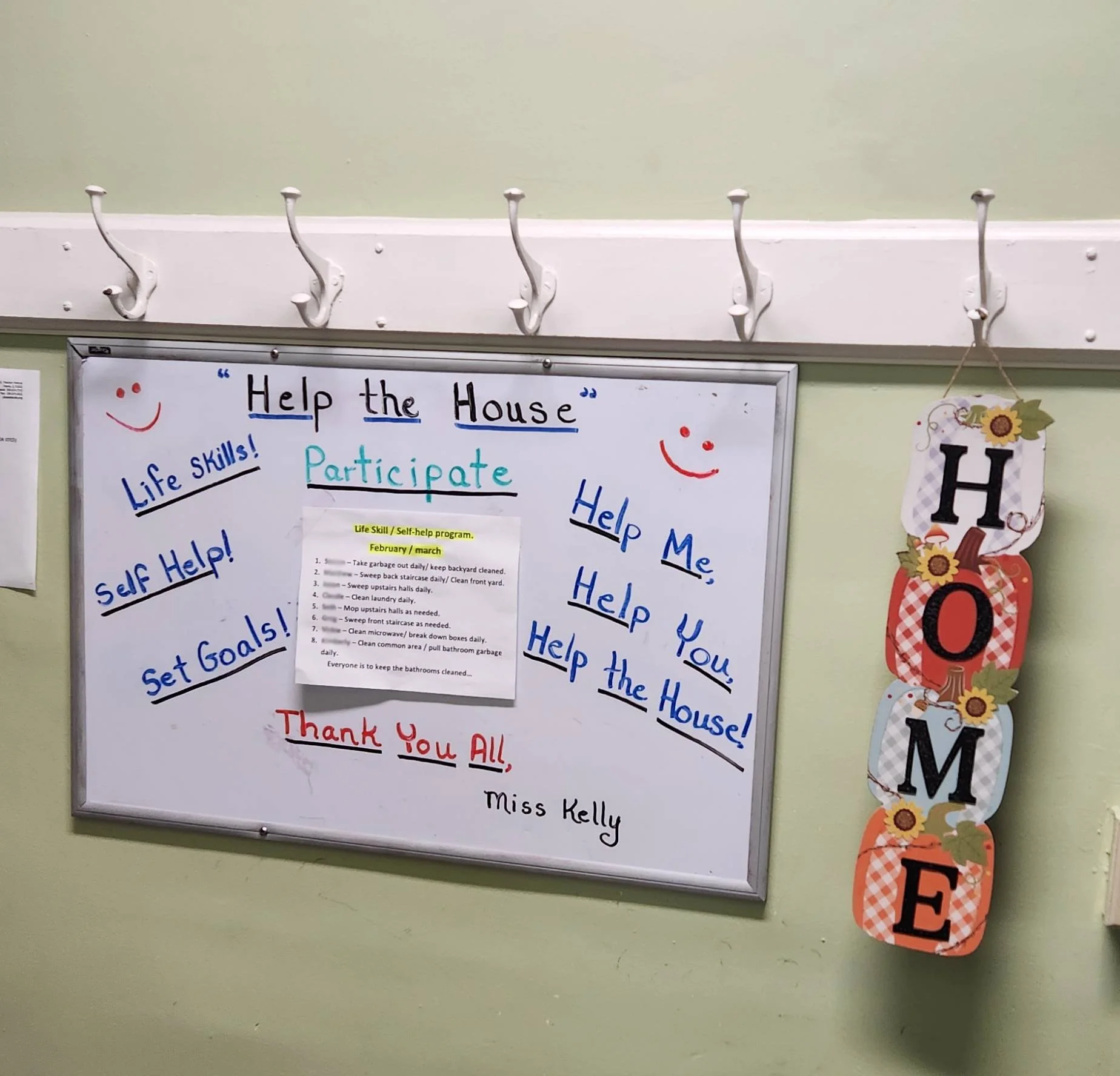
The Bridge provides:
14-bed semi-congregate Medical Respite Care Program
Support for individuals with high-acuity health conditions that increase mortality risk
Short-term recovery support for individuals discharged from hospitals or medical settings
Coordinated care that bridges the gap between homelessness and stable health
Participants receive individualized support focused on recovery, stability, and next steps.
Who is eligible?
To be considered for admission, individuals must:
Be literally homeless at the time of referral, as defined by HUD
Be fully independent in activities of daily living (ADLs) and capable of self-care
Be continent of urine and feces
Have an acute medical condition requiring short-term recuperative care that cannot be safely managed in shelter or unsheltered.
Be willing to participate in services and care planning
Understand the program is a time-limited intervention focused on stabilization
Admission is based on whether the program can safely meet the individual’s medical needs within available services.
Referral Information
Referrals are accepted from hospitals, healthcare providers, and community partners. All inquires must submit our referral form below.